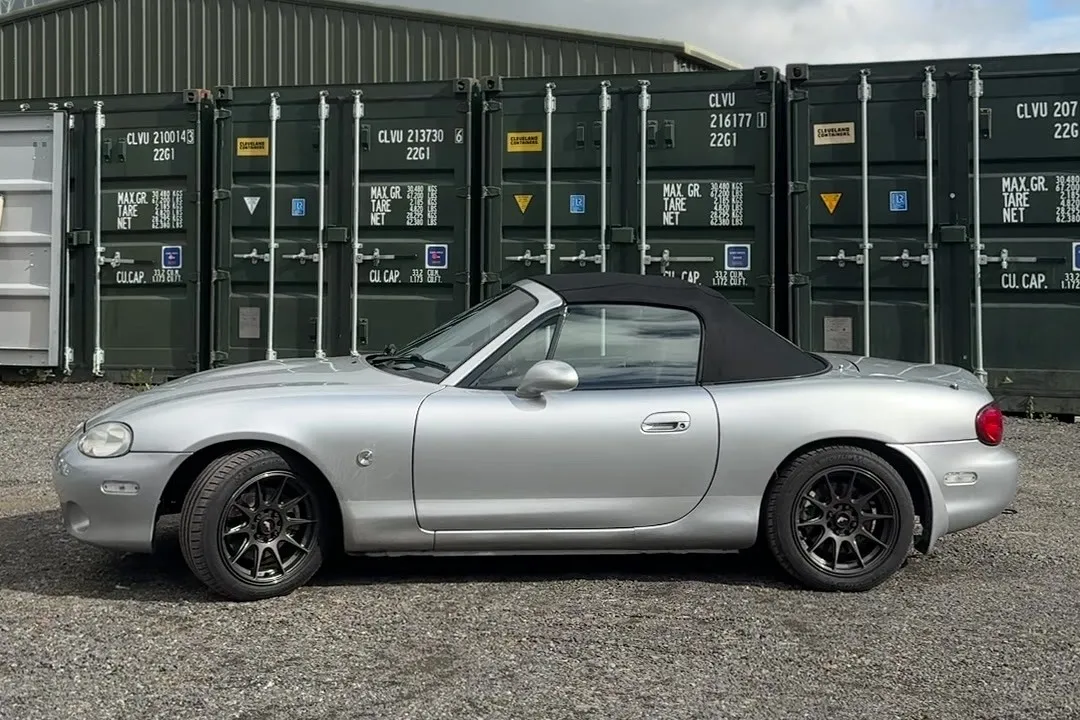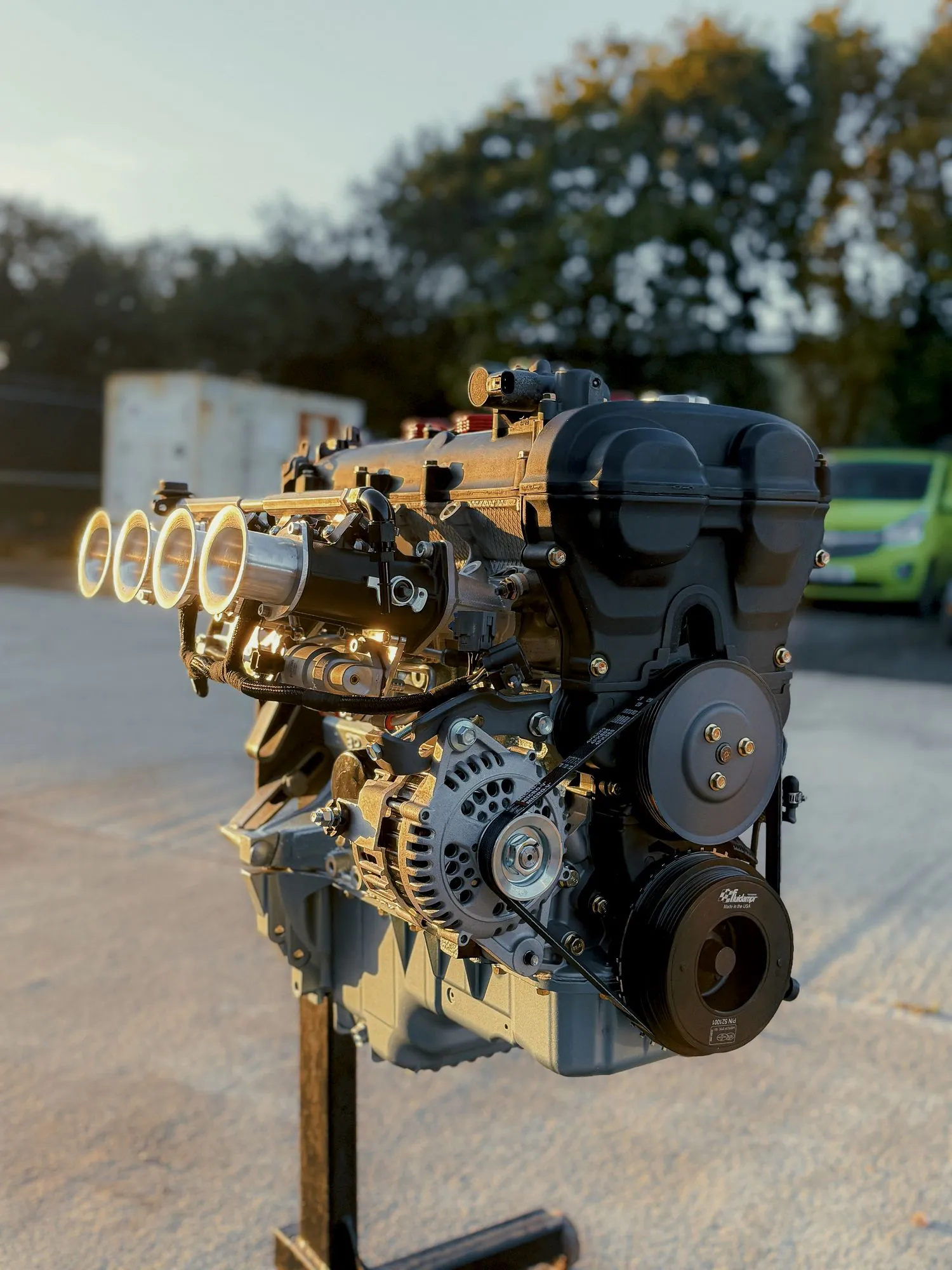
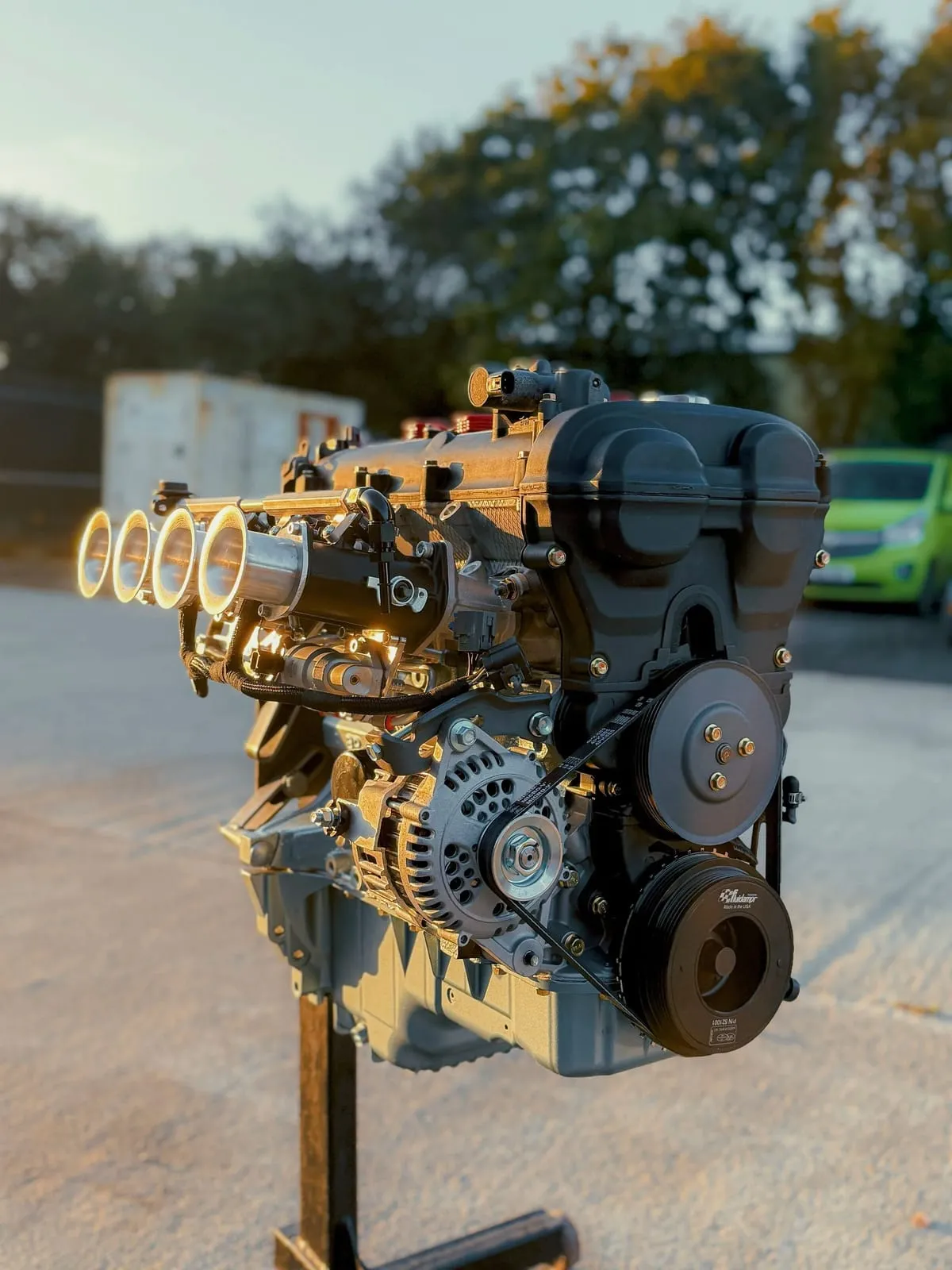
It made 185 bhp. That is worth explaining, because the engine underneath is close to standard. No ported head. No cams. No forged internals.
What it got instead was Jenvey bodies, a manifold built to suit them, standalone engine management and a new exhaust from the head back, then the whole lot set up and mapped on the car. Here is what went on it, and how we got there.
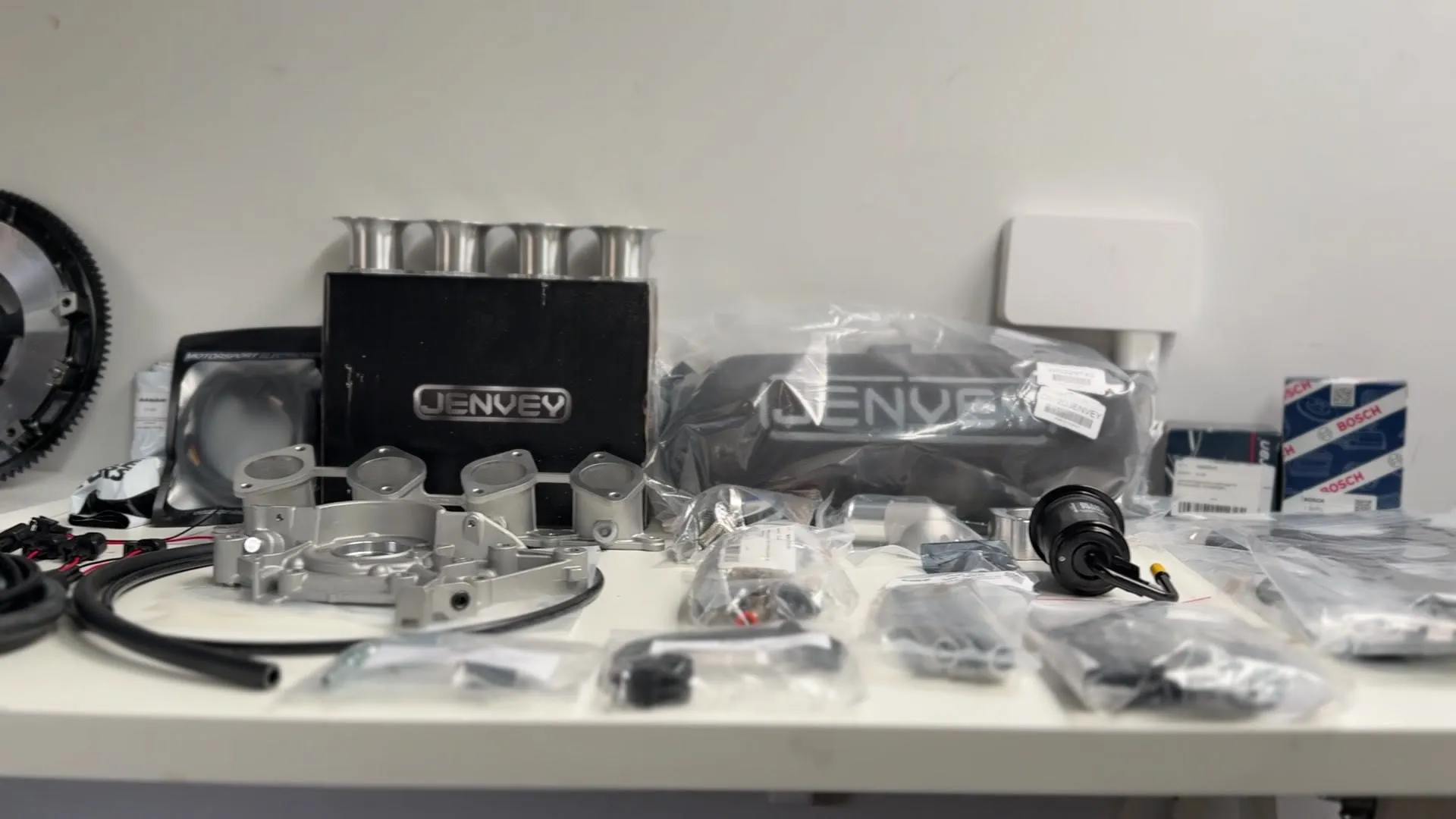
The Build List
Everything that went on the car.
Induction and fuelling
- Jenvey TB1 Throttle Body Kit
- SPS Motorsport Idle Air Control Valve
- Bosch 330cc injectors
- Billet fuel rail, in the Jenvey kit
- Fuel pressure regulator
- FOJI Raceworks Vacuum Reducer
Engine management
- Motorsport Electronics ME442 ECU
- Wideband lambda
- NGK BKR6E-11 Spark Plugs
Bottom end
- Boundary Stage 2 High Flow Oil Pump
- Ultimate Engine Gasket Set
- AWR Polyurethane Engine Mounts, 70A, standard height
- Water pump, cambelt and pulleys
Cylinder head
- Refurbished stock head
Exhaust
- FOJI Raceworks NA High Rise Tubular Manifold
- FOJI Raceworks Full System, 2.5 Inch Stainless
Drivetrain
- BOFI Racing Stage 2.5 Clutch Kit
- Competition Clutch Ultra Lightweight Flywheel, 4.68kg
Cooling and plumbing
- SkidNation Premium Coolant Reroute Kit
- Hummelink Baffled Catch Can
- FOJI Raceworks Modified Rocker Cover
- FOJI Raceworks Hard Pipe Coolant Re Route
Steering
- FOJI Raceworks Depowered and Rebuilt Steering Rack
Out And Stripped
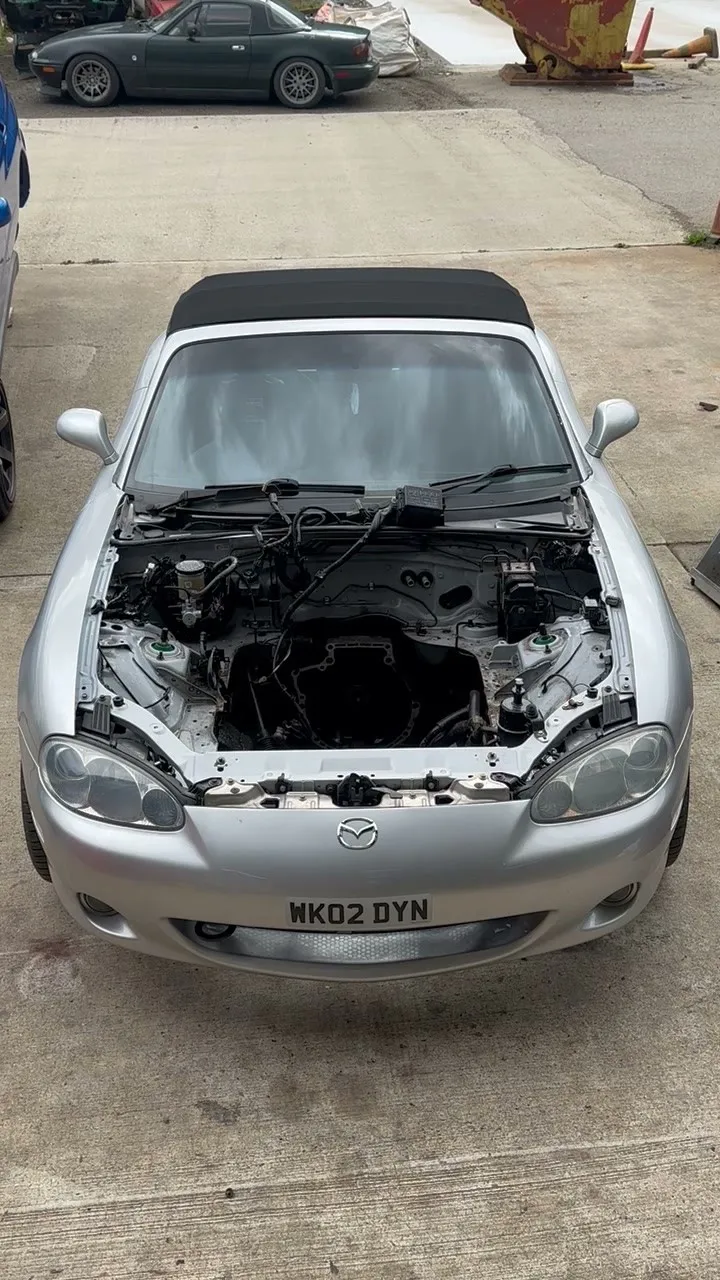
The car came in and the engine came out. Then the bay was stripped back to nothing. Engine, box, ancillaries, the lot. With it empty we deep cleaned it. Nothing in the way, and it would never be that empty again. Everything from here forward went back in around new pipework, a new loom and a manifold that did not yet exist.
The Engine Refreshed
With the engine out and the head off, the short block got a full re seal, paint up and refresh.
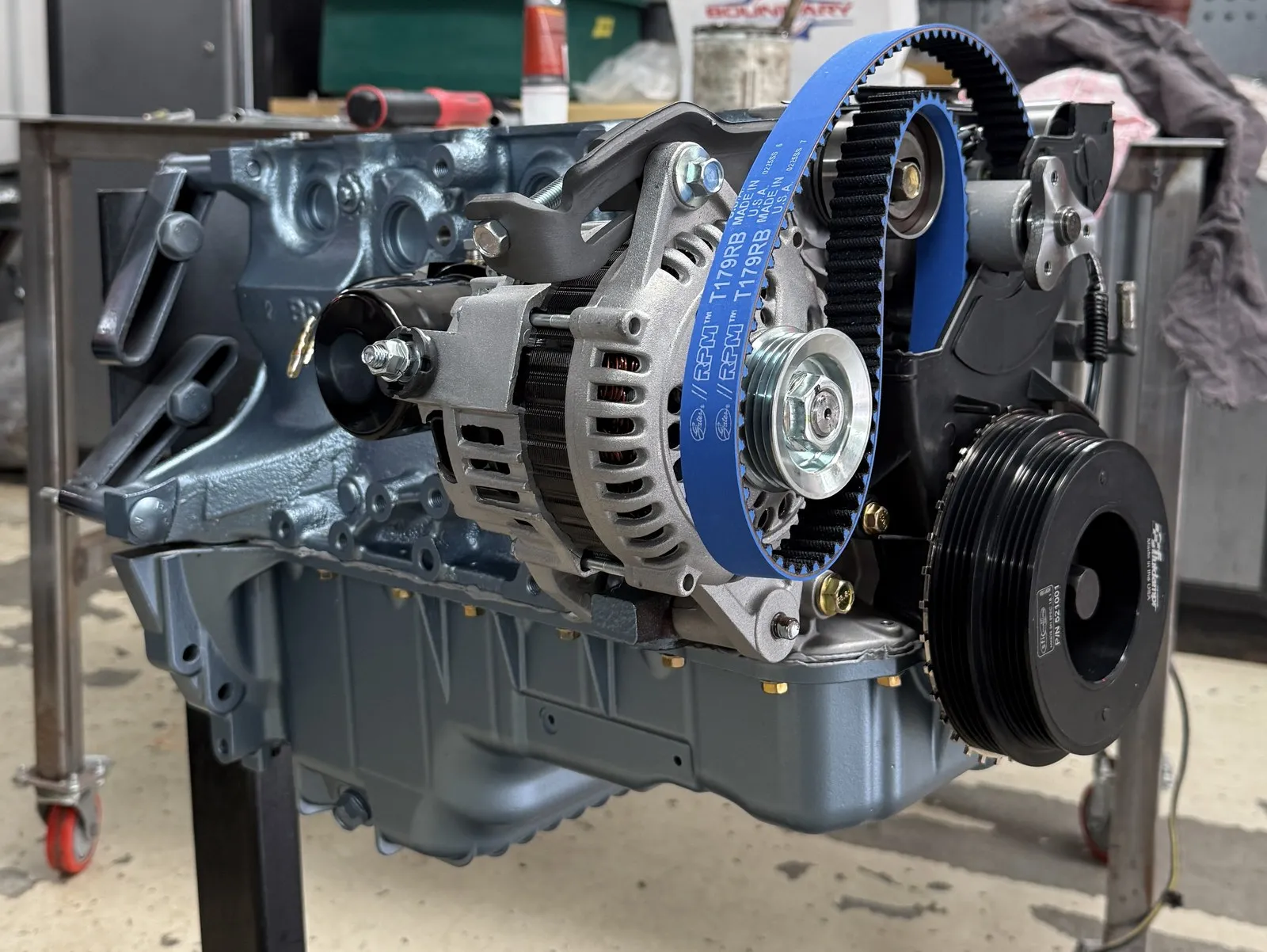
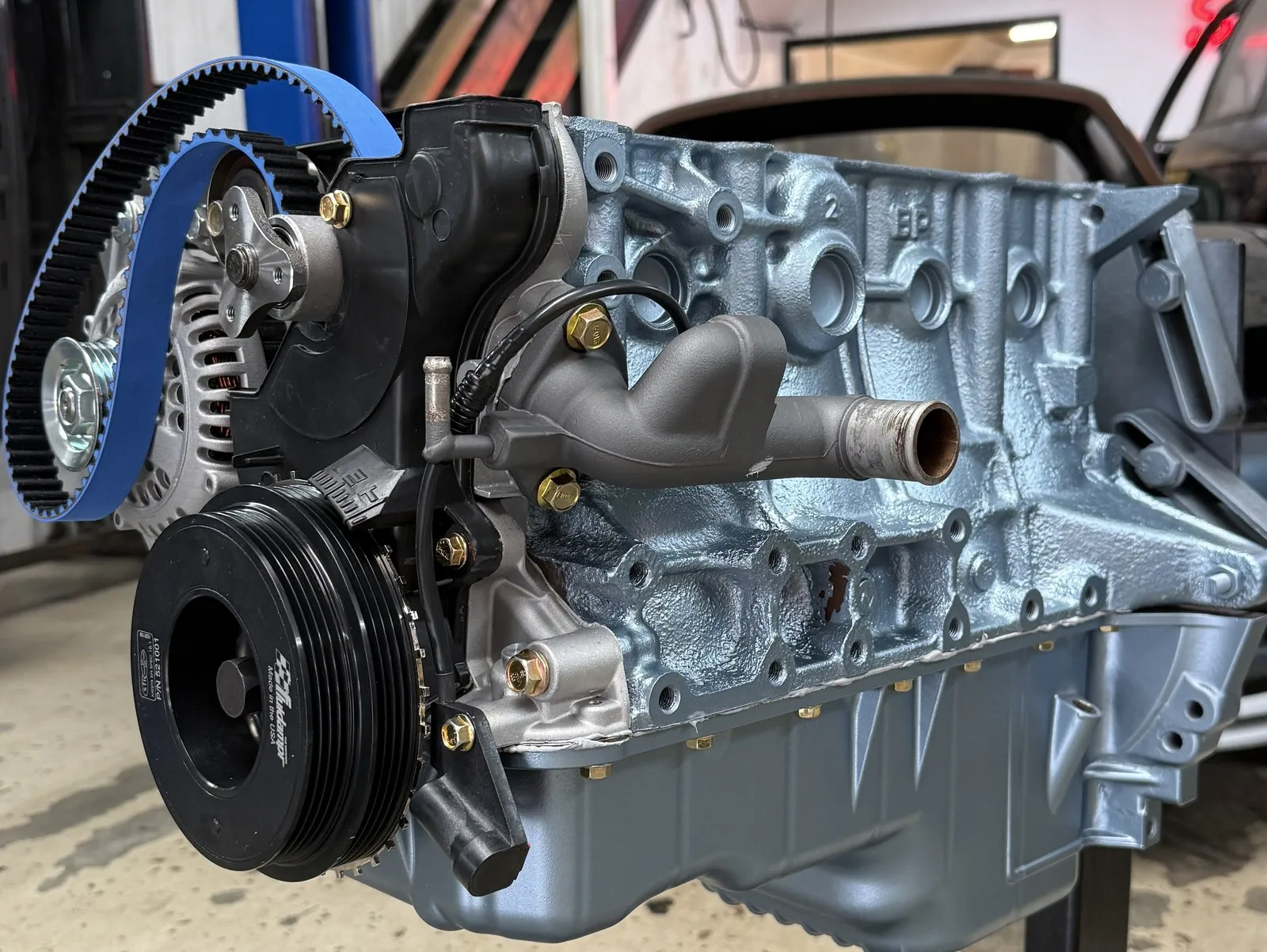
The machining is where the power comes from. The head is standard, refurbished, and it went out for a 50 thousandths skim. Not a clean up cut. A skim that deep raises the compression, and on a naturally aspirated engine breathing through throttle bodies, compression does the work. The valves came out, everything was deep cleaned, the valves were re cut. Then the head went back on and was timed up.
Building The Bodies Up
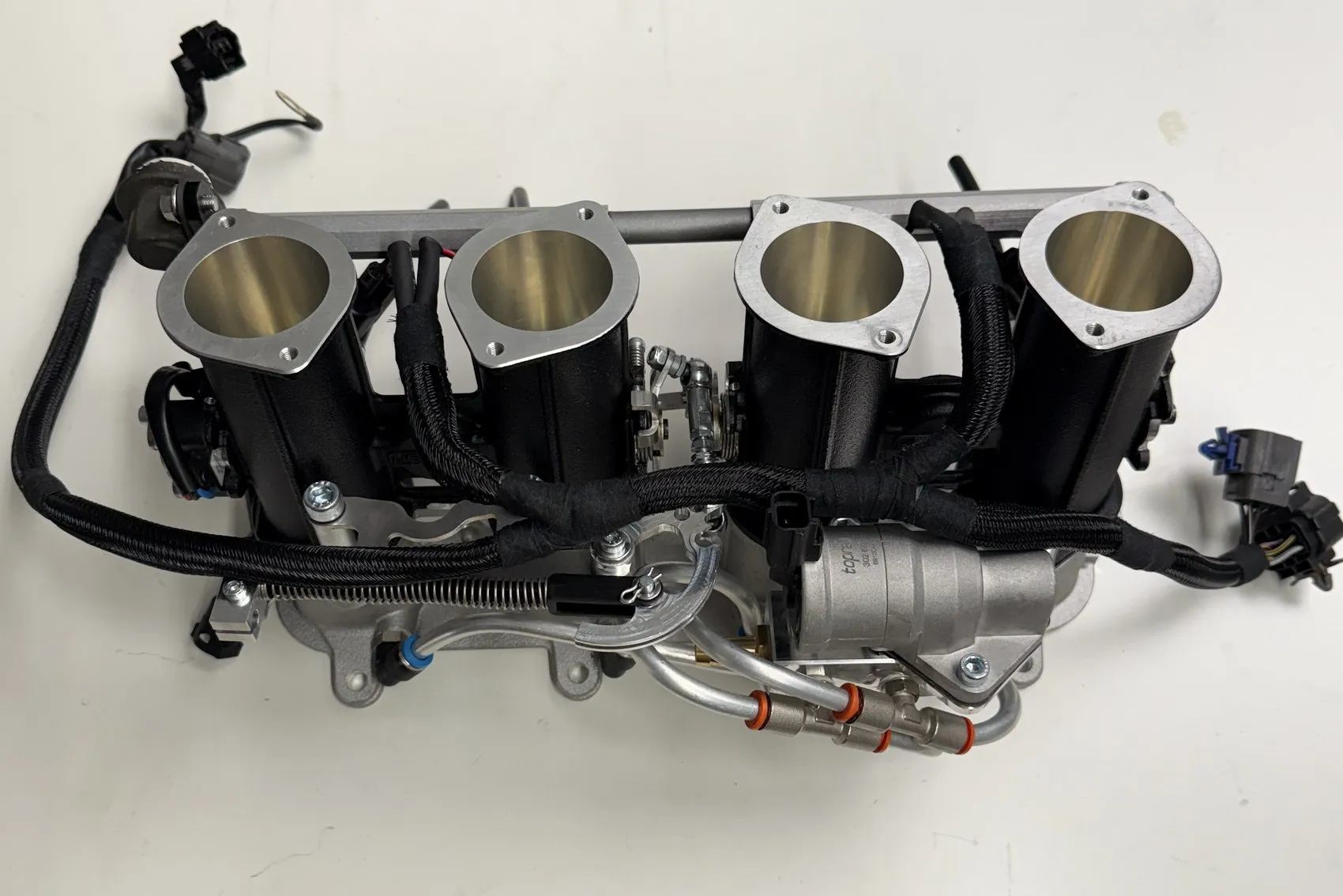
The Jenvey kit does not arrive as a finished assembly. The bodies were built up on the bench, linkage set from scratch so the pedal feels right on the first drive. The billet fuel rail out of the kit was cut down to suit. Injectors in. The idle air control valve was plumbed at the same time. We ditched the plastic hosing and made bespoke hard pipes for the idle air control valve porting. Cleaner, harder wearing, and hard pipe holds a tighter radius than hose will.
The Patch Harness
A conversion like this lives or dies on the wiring, and the standard loom is not set up for it. We work from our own pinout sheets rather than from a forum post. So we made a patch harness instead of cutting into it. The injector loom lost its piggy back adapters and was modified, braided and hidden. The air temp and throttle position sensors moved to suit the new intake. The sensors the standard car no longer needs were deleted, and a new earth strap went in. It comes apart again cleanly. Nothing hangs in the bay that should not be there.
Dressing The Engine
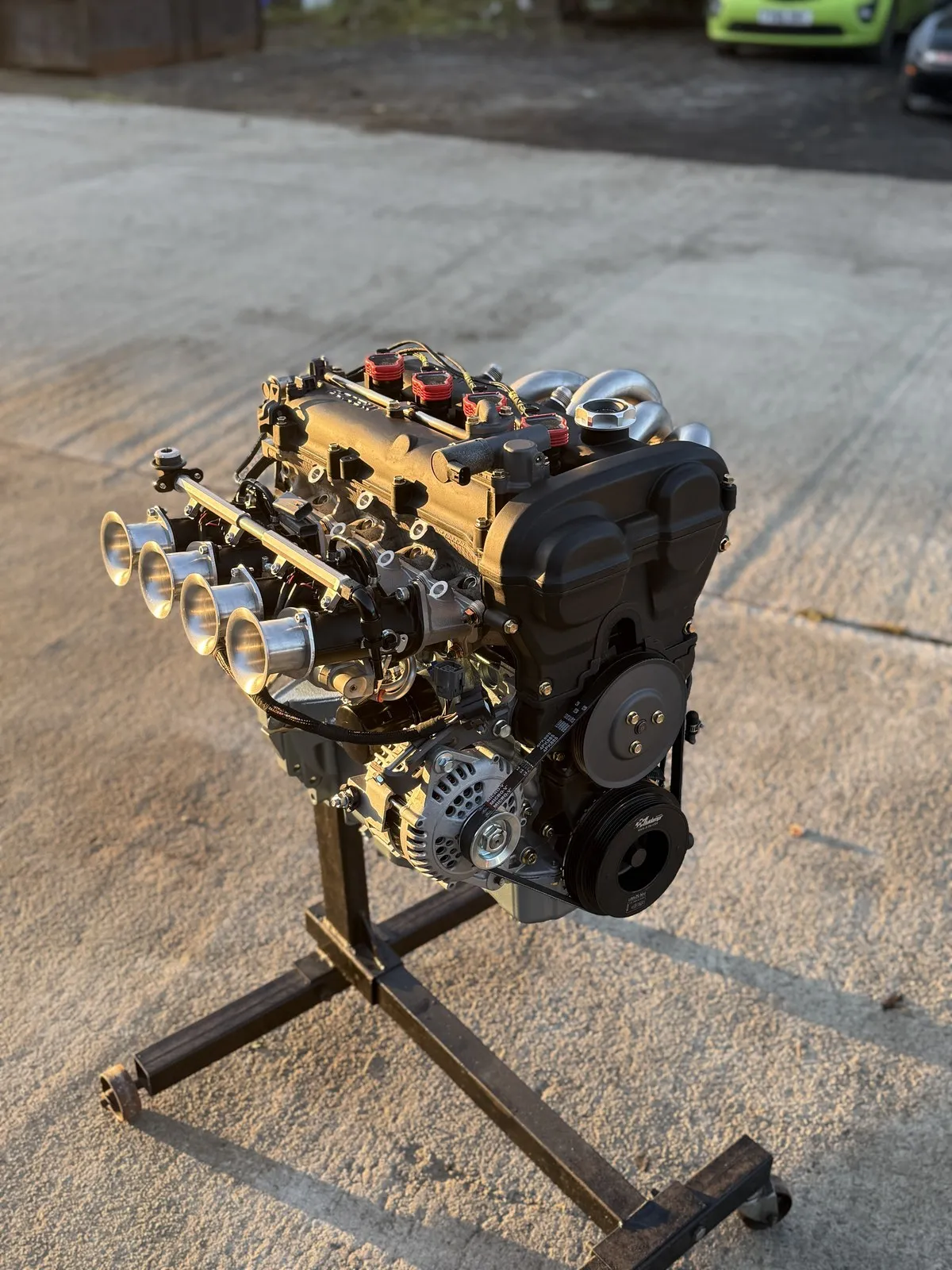
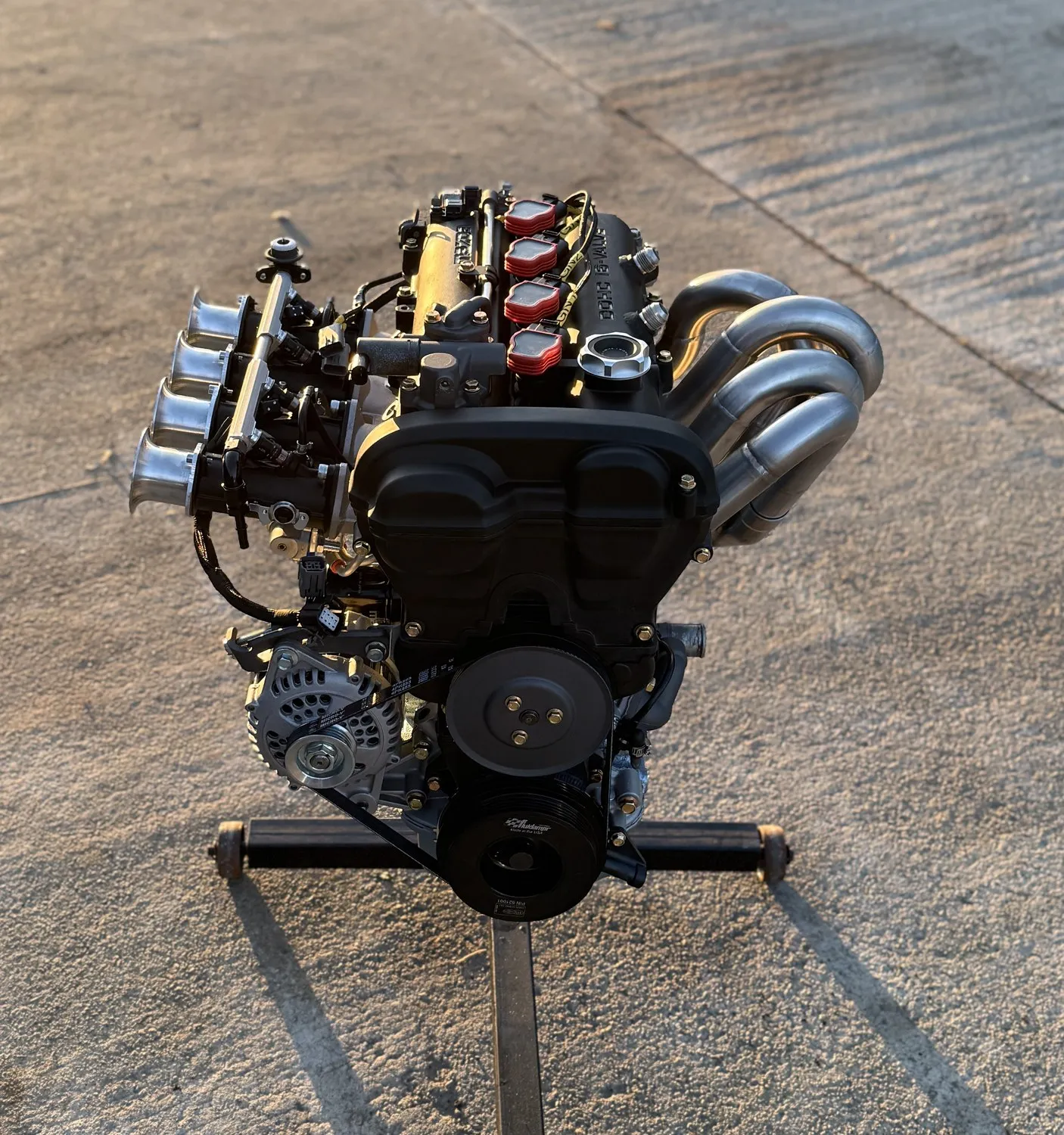
Short block built, head on, bodies made up. The engine was dressed on the stand: bodies and trumpets on, fuel rail plumbed, loom laid in and clipped, ancillaries fitted.
Into The Car
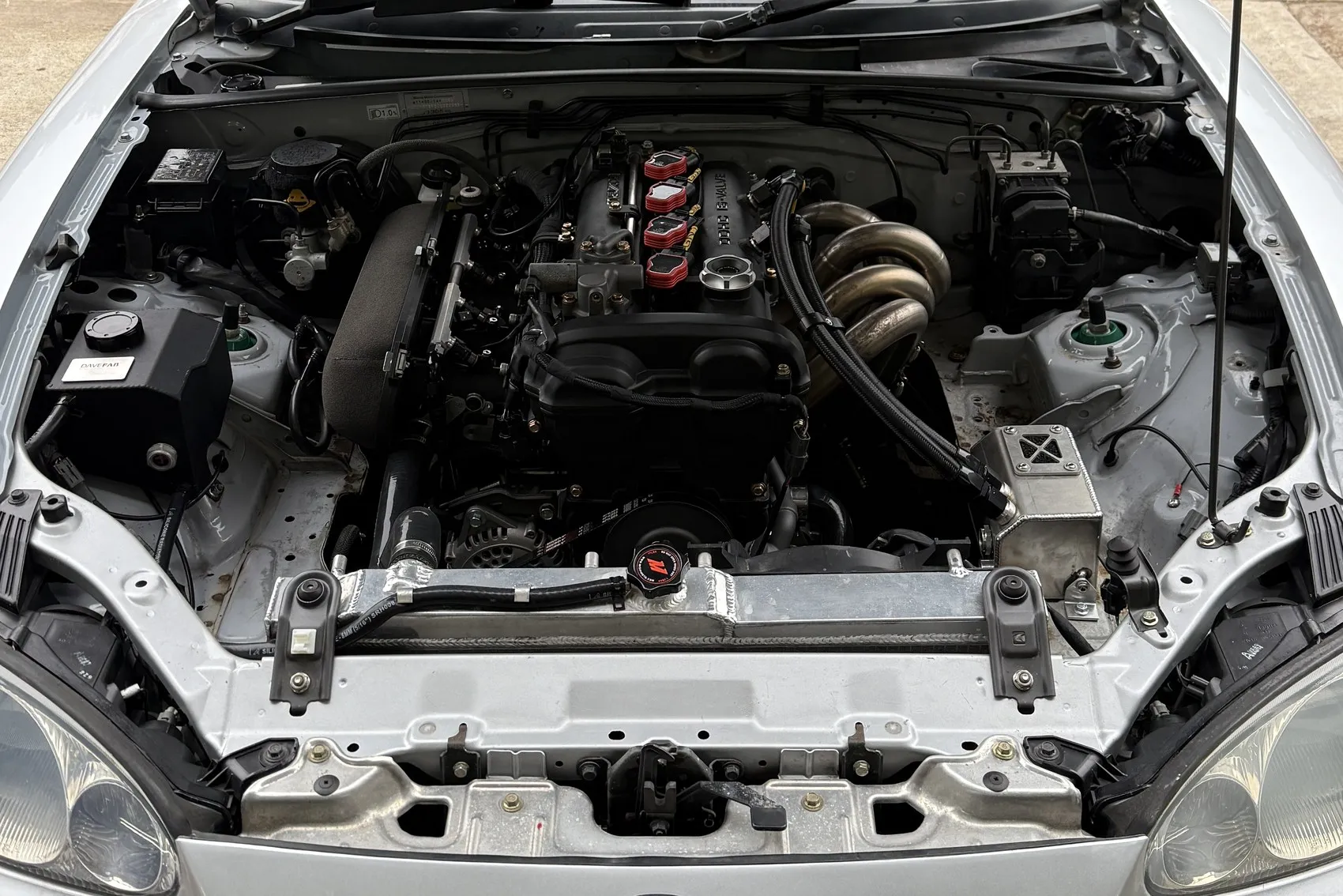
Then it went in. The bay was wired, plumbed and pressure tested. The coolant system got the same treatment as the idle valve, a hard pipe re route fabricated here, because no silicone hose was going to live under there.
There is a detail in an ITB conversion that gets missed elsewhere. Take the plenum off an engine and you lose the steady vacuum the brake servo runs on. Four throttle bodies do not give you one clean signal. They give you four pulsing ones, and a servo fed off that does not behave. So we designed a vacuum reducer for this car. That is what lets the standard servo assisted brakes work properly behind throttle bodies.
Then the tidying, which takes the longest. Everything routed, clipped and hidden. Nothing draped over anything, nothing rubbing.
The ECU And The Sensors
The engine runs on a Motorsport Electronics ME442 with a wideband. Standalone management is what makes throttle bodies driveable. The fuelling and the ignition are built for this engine, this compression and this intake, instead of a standard ECU coping with something it no longer recognises. NGK BKR6E-11 plugs. Sensors sitting where they can read something useful.
The Catch Can And The Rocker Cover
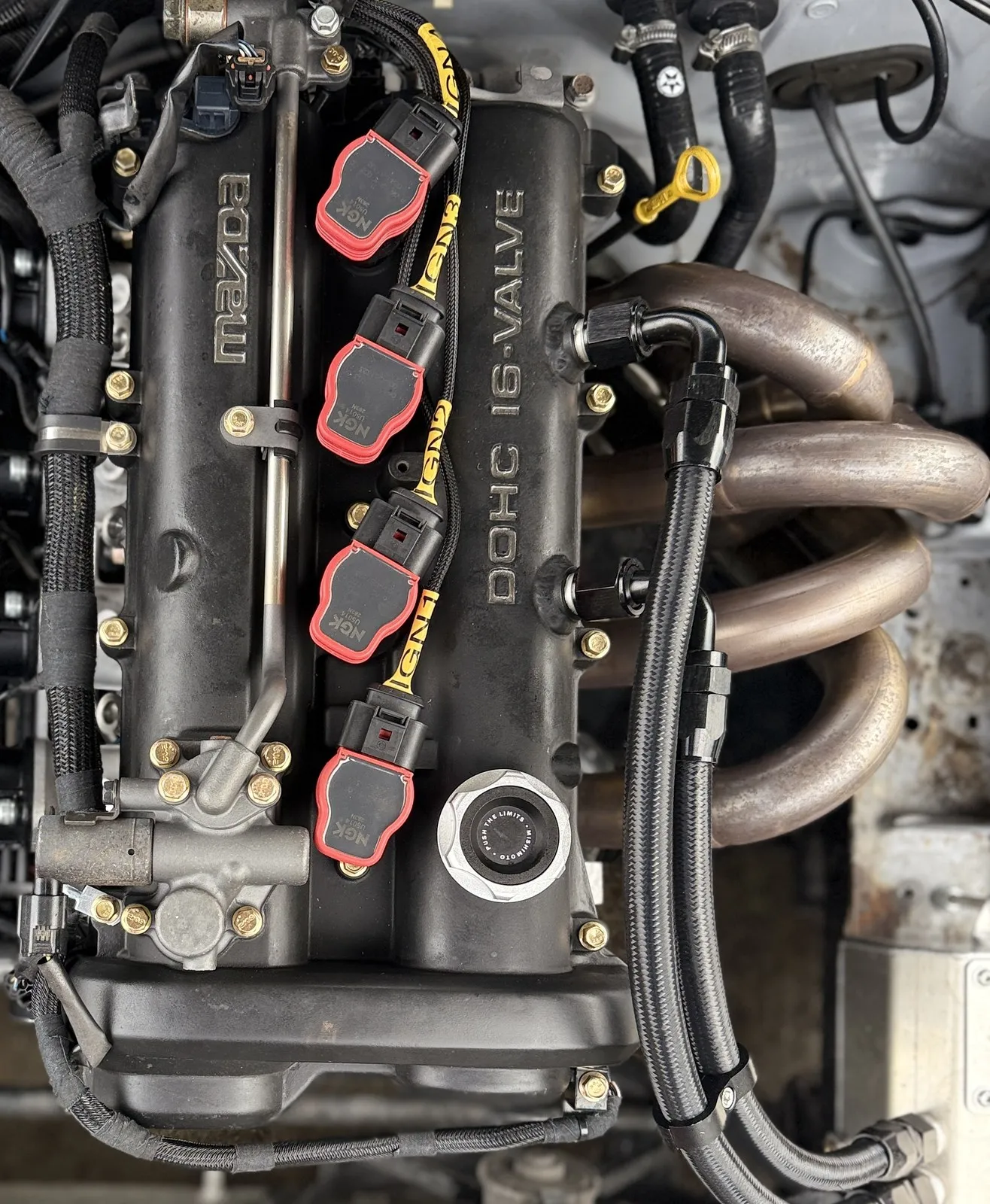
The breathing system is a Hummelink baffled catch can. To run it properly we modified the rocker cover to suit, instead of teeing into what was already there. The can went on once, then came off and moved. Where it sat first it was too close to the manifold, so it was relocated and re plumbed on AN lines.
The Exhaust
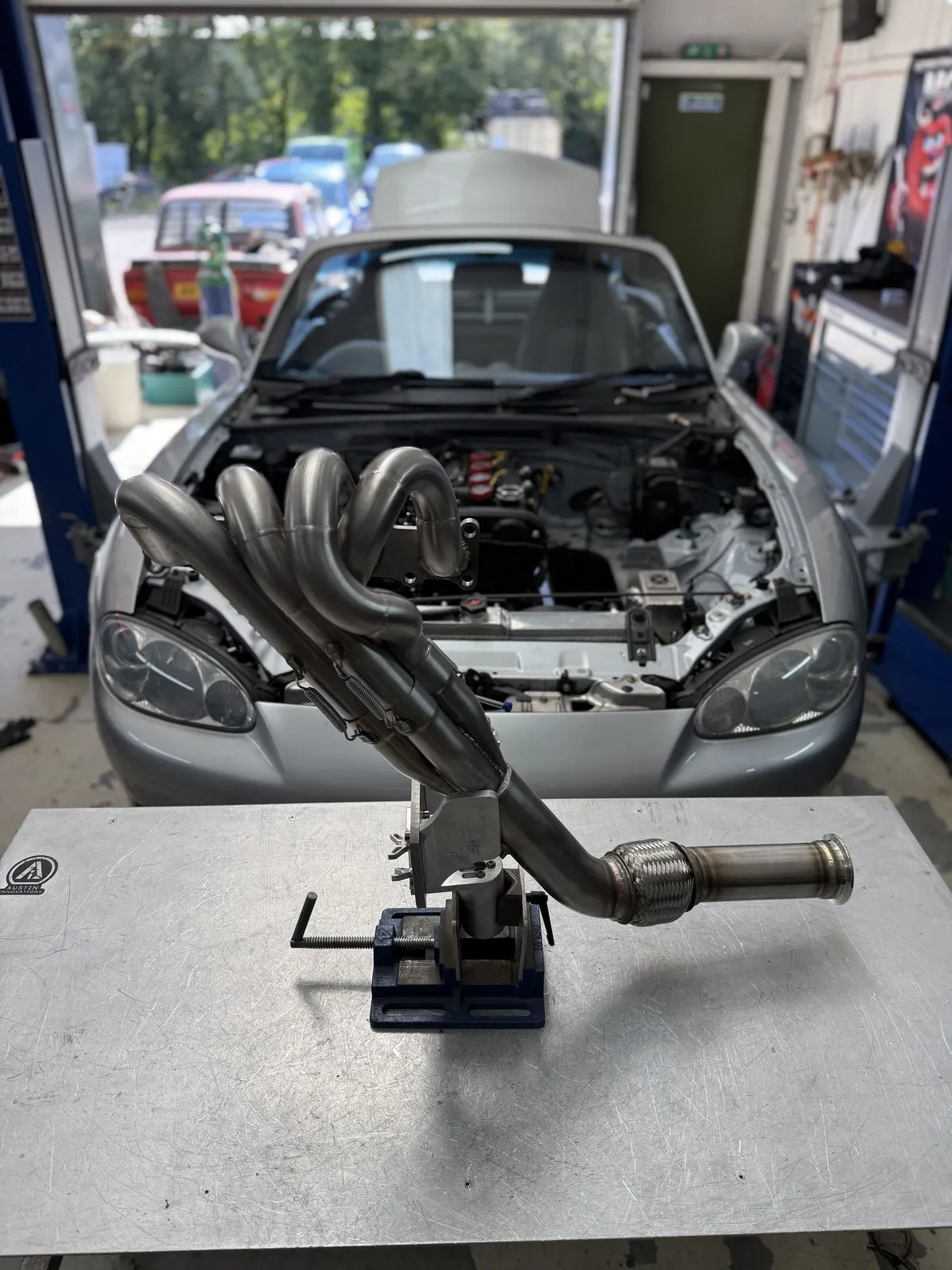
With the engine in the car, the exhaust could be built to it. The manifold is a full NA high rise design, made here on the bench. The brief came with reference photos.
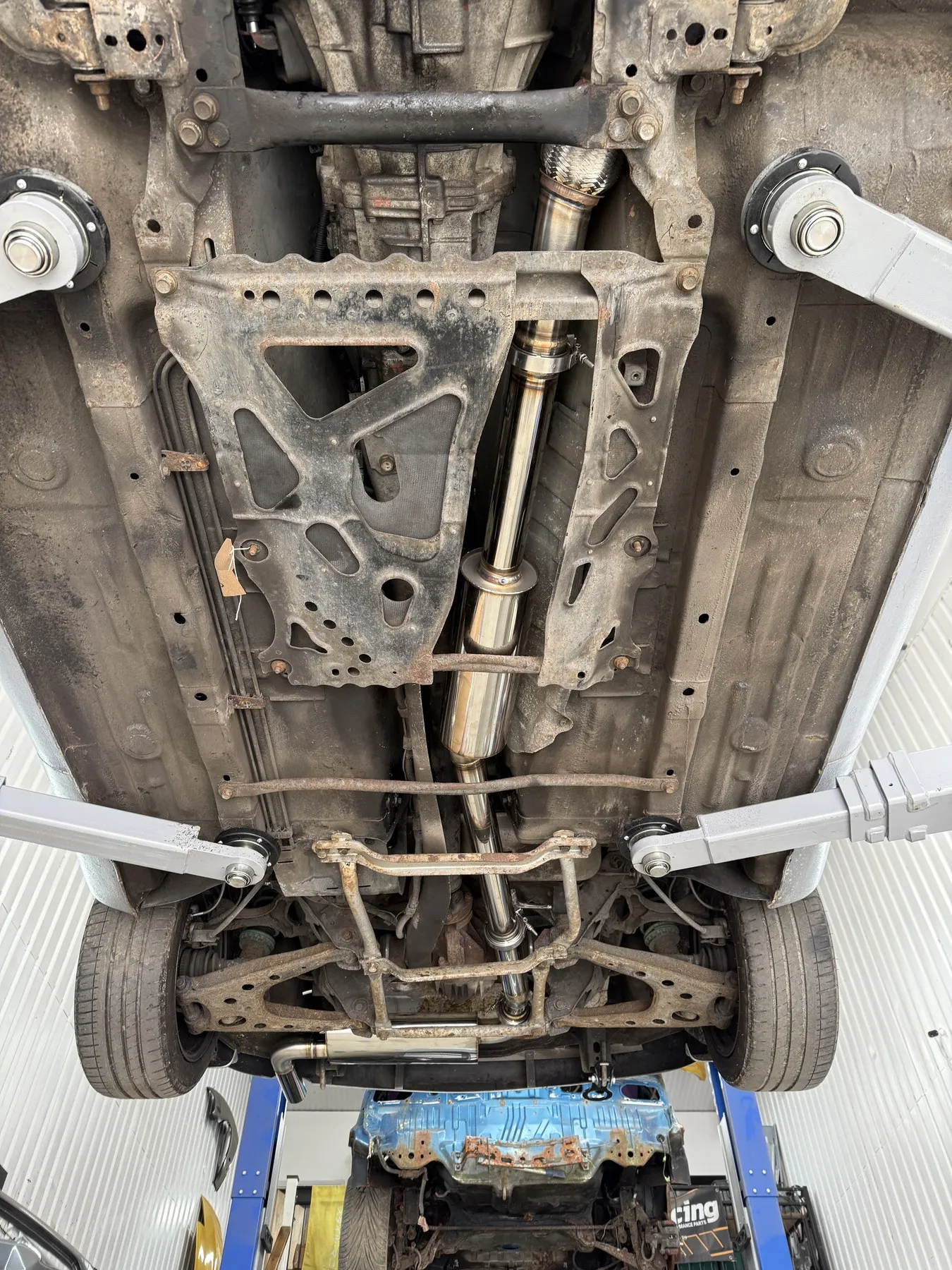
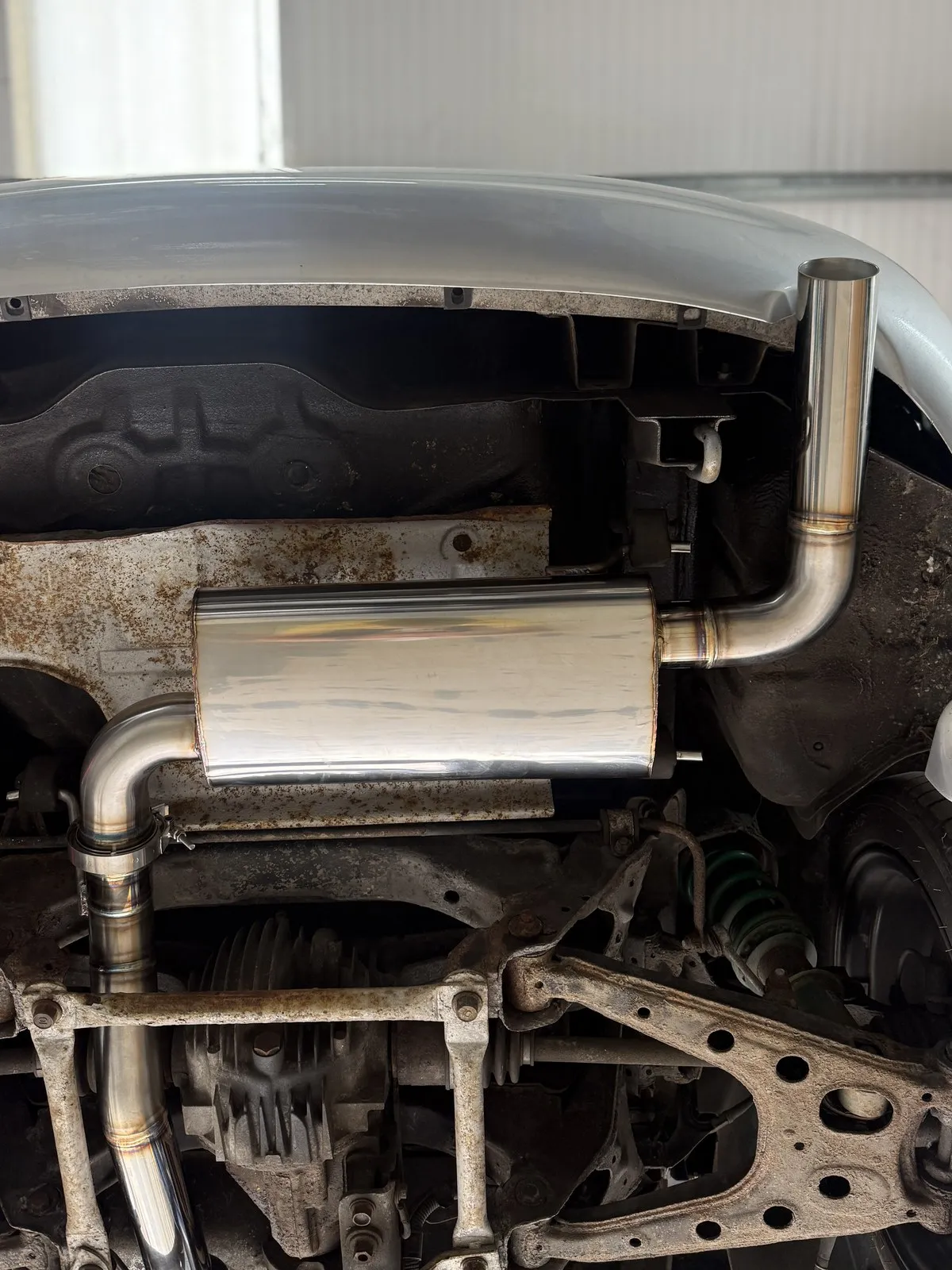
From the manifold back it is a full 2.5 inch stainless system, made up on the car section by section. An off the shelf system cannot do that. Every bend, every joint and every hanger is cut and welded to suit this car, so nothing gets compromised to clear something it was never designed around.
Tuning, And How It Drives
First start. Base timing. Then the part that makes or breaks an ITB conversion: balancing. Each body was balanced so the cylinders breathe evenly. The idle and the cold start were set to behave like a road car, and the map was worked up on the road before a full day on the rolling road.
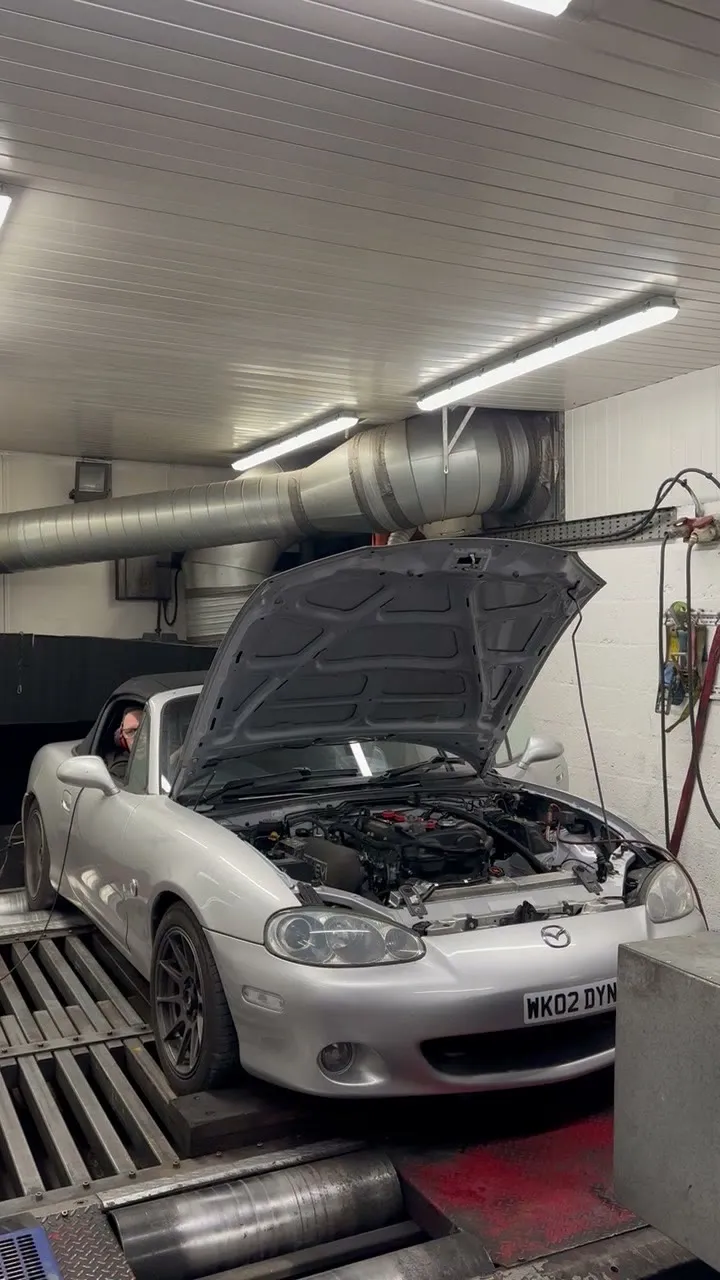
It made 185 bhp. No ported head, no cams, no forged internals. A standard head skimmed for compression, breathing through throttle bodies and a manifold built for it. That is the whole recipe. It is what a fairly standard 1.8 VVT does once the compression, the air and the fuelling are sorted, and the map is done on the car.
What you feel on the road is the throttle response. No plenum to fill and empty, so the engine answers the pedal straight away. It still idles. It still starts cold. The brakes still work like they should.