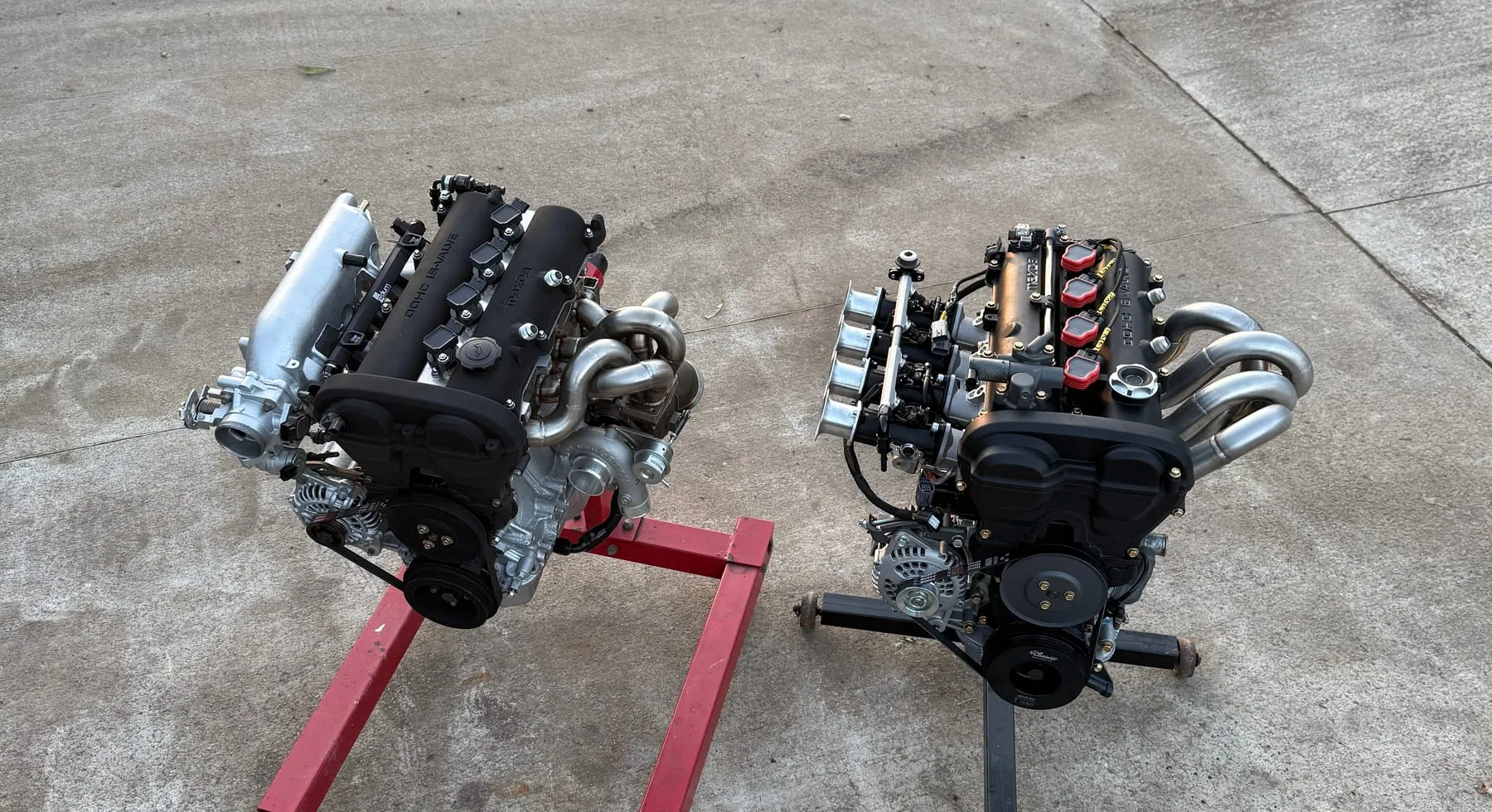
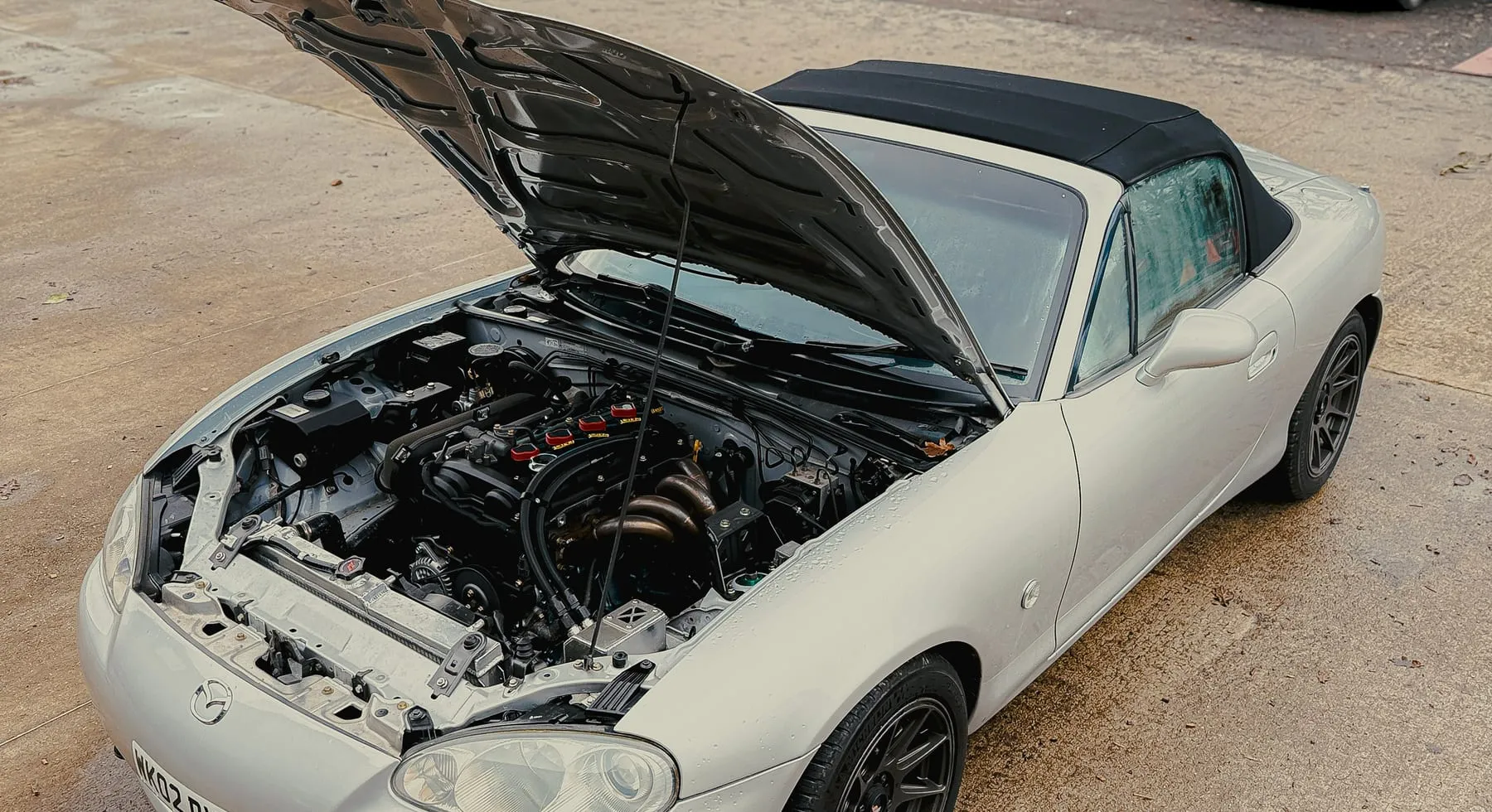
This Mk2.5 is not a soft top that potters to the shops. It runs coilovers, it sits on WORK wheels and Yokohama Advan Neova semi slicks, and under the bonnet it has a full set of individual throttle bodies. A car built to be driven like that asks more of its brakes than the factory ever planned for, so the owner brought it to us to bring the braking up to the same standard as the rest of the car. Here is what we did, and why.
Watch the full replacement
What This Car Needed
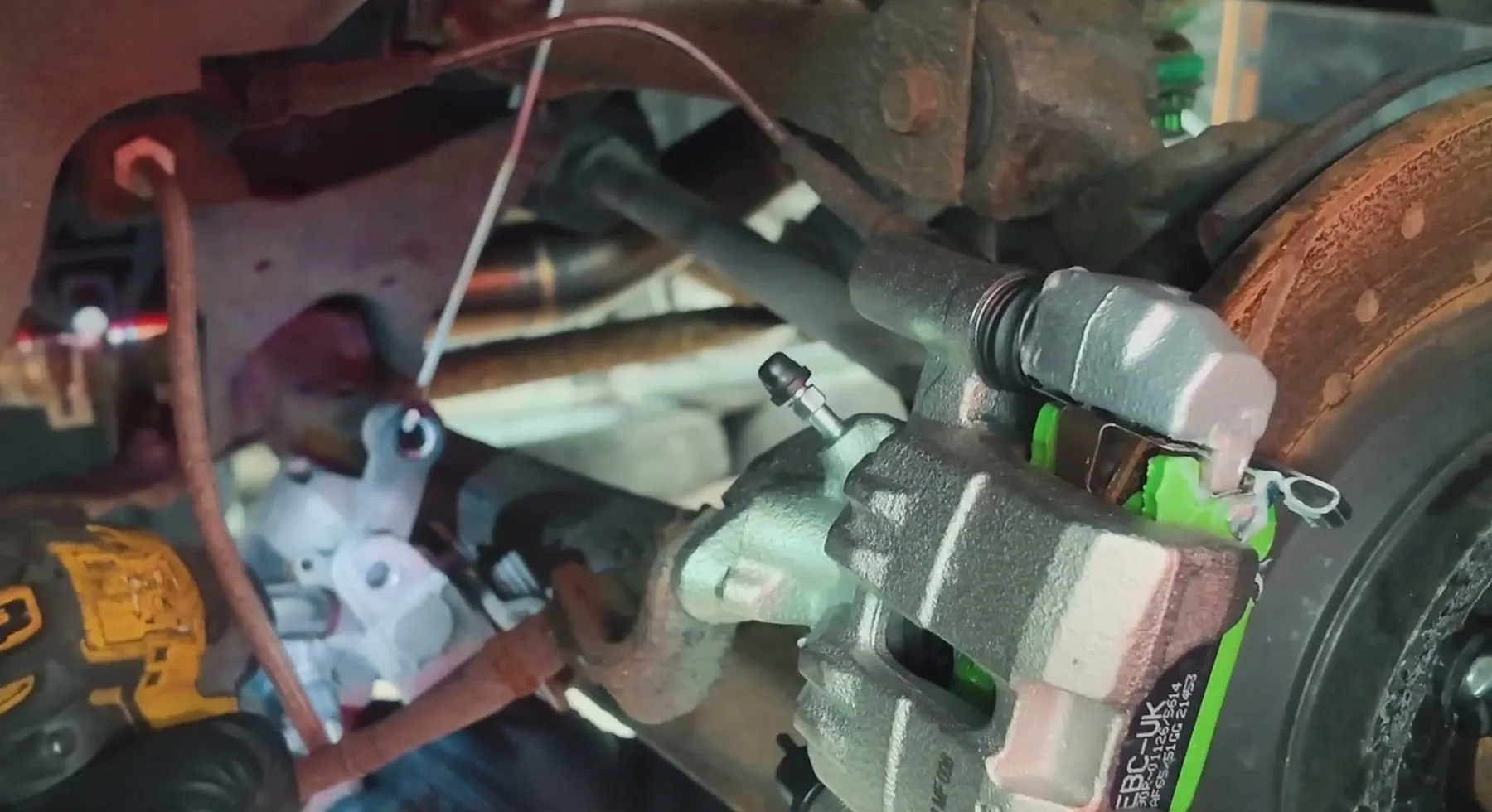
The brief was simple to say and worth doing properly. More bite, better feel, and parts that will take repeated hard use without fading or flexing. The soft rubber brake hoses swell slightly every time you press the pedal, which blunts the feel, and the standard pads are set up for comfort and quiet, not for a car that is driven hard. So the plan was new pads where they were due, new calipers and braided lines, keeping the discs the car already ran.
We are also straight about what does not need replacing. The front pads and discs on this car were only fitted a few months before, still as new, and the rear discs were in good order too, so there was no sense selling the owner parts he did not need. We kept what was good and spent the budget where it mattered.
The Upgrade We Fitted
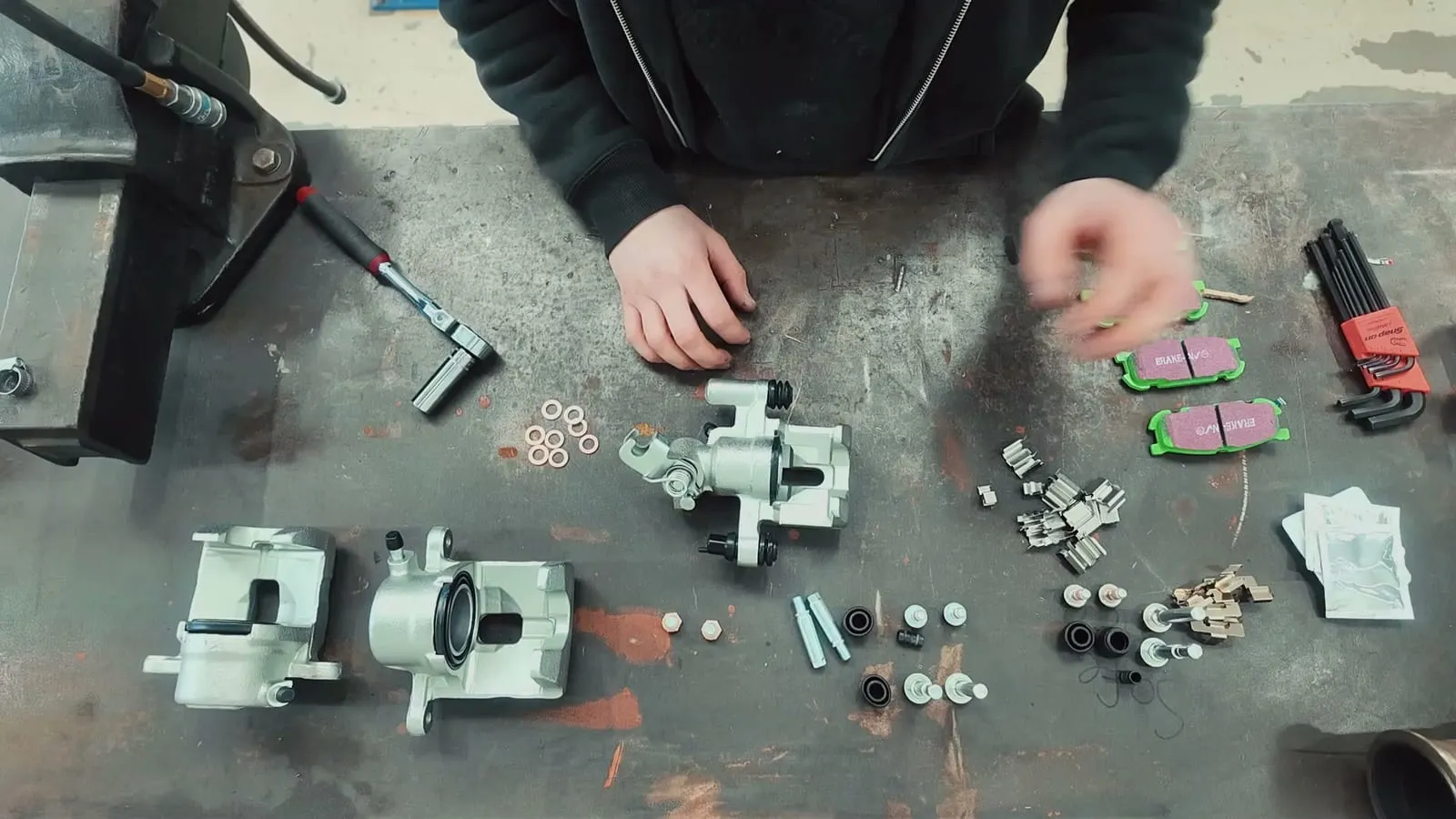
This car already left the factory with the larger Sport brakes, so there was no sense selling it a big brake kit it did not need. We kept it on that setup and renewed it. New Sport calipers went on, both sides, front and rear, which means fresh seals, fresh pistons and no tired old castings to let the job down later. The gains here come from the pads, the calipers and the lines, not from chasing a bigger caliper the car was never going to need.
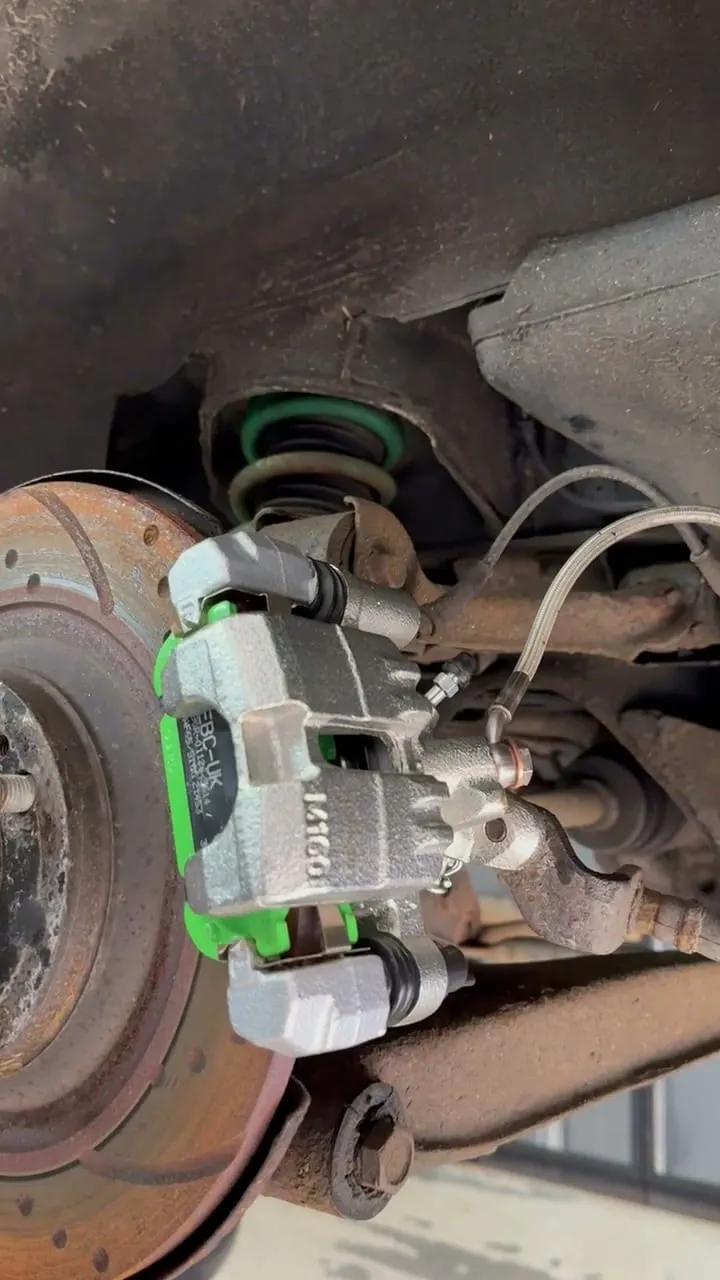
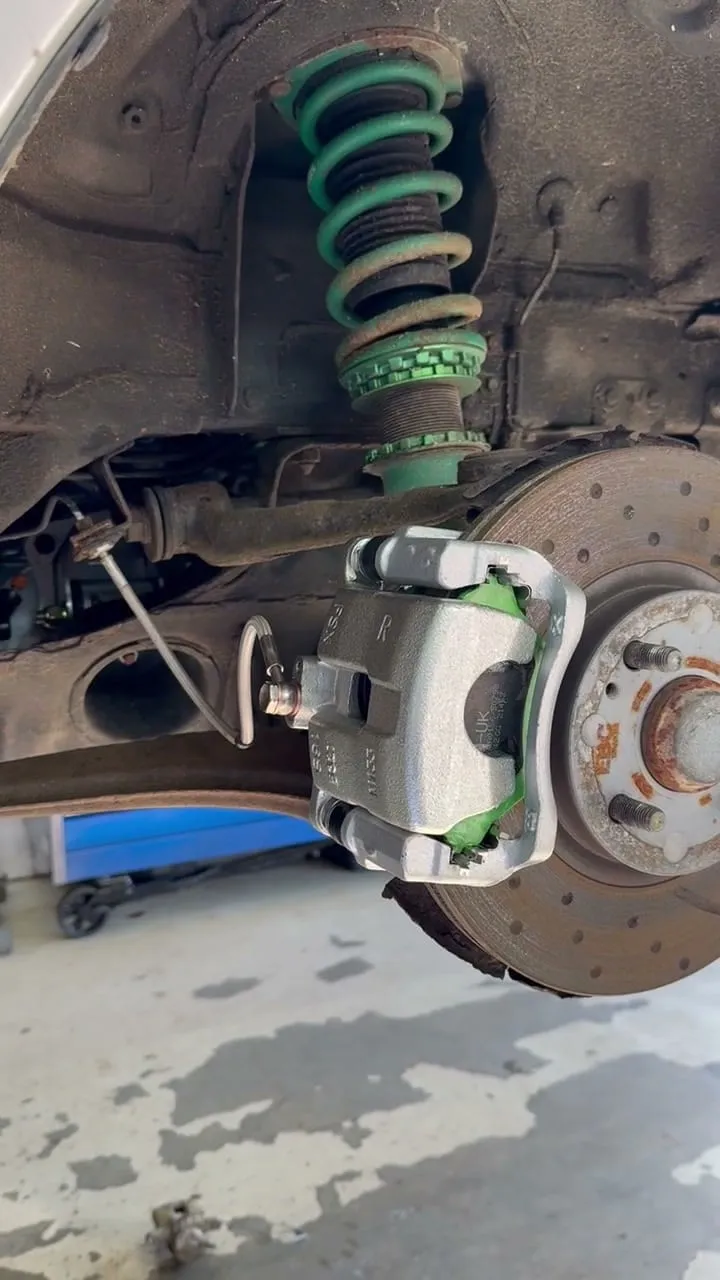
On the rear went new EBC Greenstuff pads. Greenstuff is a fast road compound, it bites from cold, it is kind to the discs and it is happy with the heat a car like this puts through it on a good road. The discs on this car, grooved at the rear and cross drilled up front, were already fitted and in good order, so they stayed on. Every corner went together with a full new fitting kit, new sliders, new bolts and new pad shims, because a brake is only as good as the hardware that lets the pads move freely and sit square. New rear calipers also meant new handbrake cables, so the handbrake comes on clean and holds.
Then the braided lines. Stainless braided hoses replace the standard rubber all round, so the line no longer swells under pressure. The result is a firmer, more consistent pedal that does not go soft when you lean on it. It is one of the cheapest changes you can make for the biggest gain in feel.
Done Properly
None of this is exotic, but the standard you do it to is everything. Calipers off, pads out, the hubs and discs cleaned up, new calipers and pads in with the new hardware, braided lines fitted and routed clear of anything that moves, then the whole system bled through properly: a firm pedal, and even braking side to side.
The Takeaway
Brakes are the easiest upgrade to get wrong by overspending on the wrong thing, or underspending and keeping a vague pedal. Match the caliper, pad, disc and line to how the car is actually used, fit it properly and bleed it properly, and a quick MX-5 stops like it should. If your car has moved on from standard and the brakes have not kept up, that is the conversation to have.
Watch the full brake video on our YouTube channel.
There Is More To This Car
You will have spotted the engine. This same Mk2.5 came to us for a full individual throttle body conversion, a proper Jenvey setup that we built and mapped, and it is one of our favourite cars on the books. There is a neat link to the brakes too. Take the plenum off an engine to fit throttle bodies and you lose the vacuum that the brake servo runs on, so a conversion done properly has to feed the servo another way, which is exactly the sort of detail that gets missed elsewhere. We will tell that whole story, ITBs, mapping and all, in its own post soon. For now, just know the brakes on this car had to be good enough to match the engine.